Beef Cattle Breeds: An In-Depth Introduction to the Stars of the Steak World
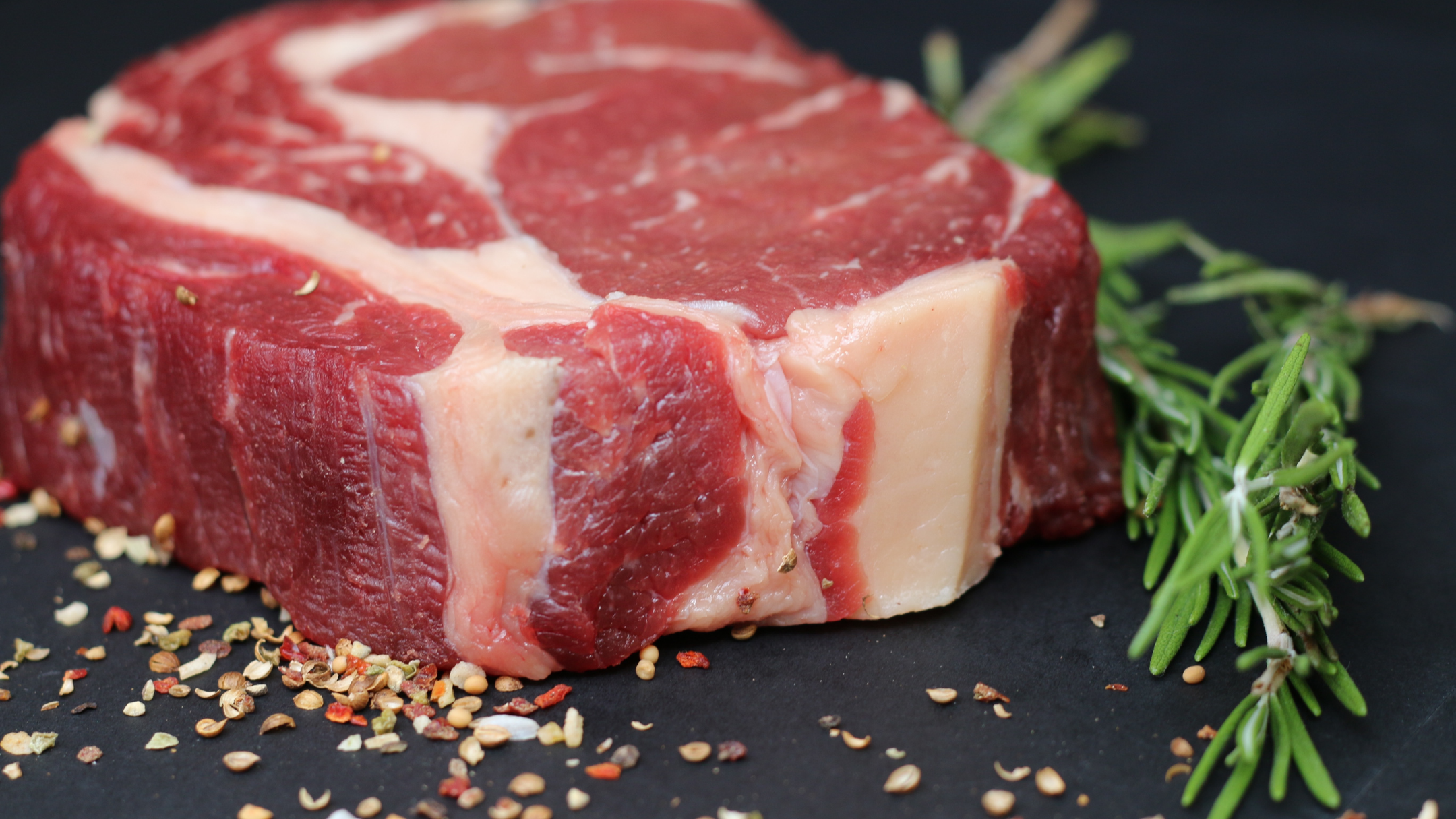
When talking about quality meat, it is important to understand that every cattle breed has an impact on the flavor, texture, and juiciness. Quality meat is not measured only by thickness or external fat – the percentage of intramuscular fat (marbling), color, and texture also determine the experience.
Beef cattle are adapted for rapid growth and flavorful meat, whereas dairy cattle are less suitable for this purpose. Additionally, rearing conditions – diet, climate, and living environment – greatly affect meat quality. Choosing the cattle breed is essentially choosing the flavor and culinary experience you want.
To better understand the differences and advantages, here is an overview of the main beef cattle breeds, with their origin, main meat characteristics, and advantages of each breed:
🥇 Angus – אנגוס 🇬🇧 (Scotland, UK)
Origin and History: Angus originates from the regions of Scotland and today is one of the most popular breeds worldwide for beef production. Its success mainly comes from excellent adaptation to cold climates and a strong body structure.
Meat Characteristics: Known for very tender meat, rich in intramuscular fat (marbling), providing high juiciness and deep flavor.
Advantages:
Suitable for almost all types of slaughter and cooking.
Extremely juicy, steaks from it are considered premium.
Very popular in the USA and many countries, making it easy to find in commercial food.
🥈 Hereford – הרפורד 🇬🇧 (England)
Origin and History: A very old British breed, originating from England and Ireland. Hereford is known for its durability and hardiness, and therefore became very popular worldwide, including in the USA, South America, and Australia.
Meat Characteristics: Meat is rich in flavor but slightly less fatty than Angus.
Advantages:
High durability, suitable for regions with harsh climates.
Consistent, high-quality meat suitable for steaks, roasting, and baking.
Maintains well during storage and transport.
🥉 Charolais – שארולז 🇫🇷 (France)
Origin and History: Originates from France, a large and impressive breed with a muscular, massive build.
Meat Characteristics: Relatively lean meat with prominent fibers, ideal for large cuts and long roasting, and for those who prefer less fatty but still juicy meat.
Advantages:
Provides a high amount of lean meat.
Suitable for steaks and large cuts.
Considered a quality breed in the French and European meat industry.
Limousin – לימוזין 🇫🇷 (France)
Origin and History: Another French breed, smaller than Charolais but with a similar muscular build.
Meat Characteristics: Very lean meat, with little fat, but delicate and rich flavor.
Advantages:
Lean and healthy meat, suitable for consumers preferring less fat.
Suitable for the premium market due to meat quality.
Easy to raise, resilient in various climates.
Simmental – סימנטל 🇨🇭 (Switzerland)
Origin and History: A versatile Swiss breed, used for both dairy and beef.
Meat Characteristics: Well-balanced between fat and muscle, juicy and flavorful.
Advantages:
Versatile breed, can be used for milk and beef.
Suitable for farmers seeking a combination of quality and yield.
Very popular in Europe.
Wagyu – ואגיו 🇯🇵 (Japan)
Origin and History: A unique Japanese breed, requires carefully controlled rearing conditions. The most prestigious version is Kobe beef, famous worldwide.
Meat Characteristics: Extreme marbling, meat almost melts in the mouth, very juicy and flavorful.
Advantages:
Very high quality, considered extremely luxurious beef.
Suitable for those seeking an exceptional eating experience.
Internationally recognized premium brand.
🔹 Summary
Every cattle breed has its uniqueness – from the juiciness and marbling of Angus, through the muscular leanness of Charolais and Limousin, to the melting luxury of Wagyu. Choosing the breed is a significant part of the eating experience, shaping the steak that reaches your plate.
It is also important to remember that rearing conditions, such as the animal’s diet, climate, and living environment, greatly affect meat quality. Cattle raised in open fields and on a natural diet usually produce more tender and juicy meat, whereas cattle raised in feedlots tend to have uniform meat but less flavorful.
Thus, choosing the right breed alongside understanding rearing conditions allows you to get the best possible eating experience. Whether you seek tender and juicy meat, lean and healthy cuts, or a luxurious steak experience, every breed has its advantages – and the right choice can turn any meal into an unforgettable culinary experience.