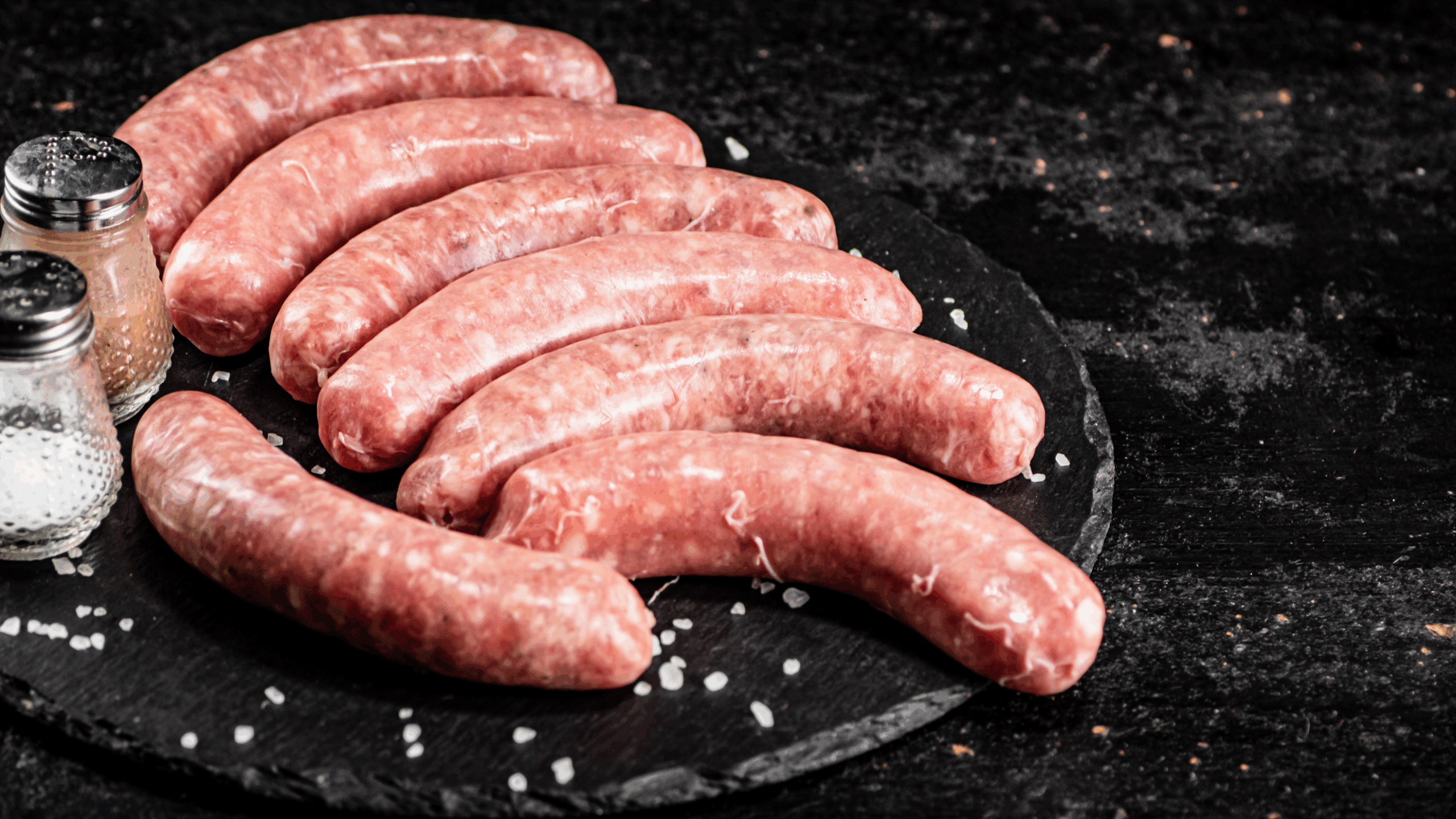
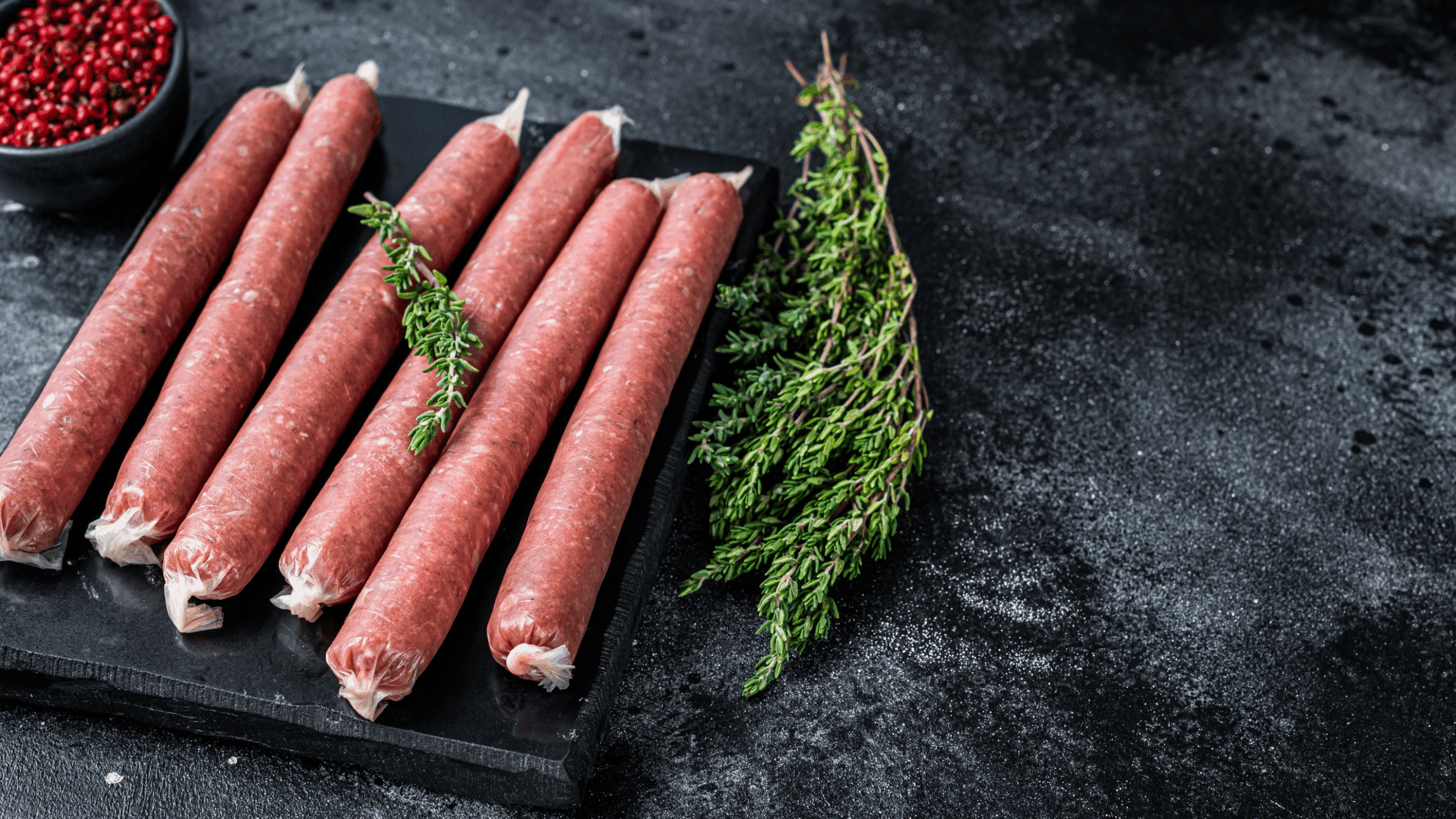
When talking about sausages, it’s easy to think that the magic is only in the taste or cooking. But the truth is, one of the most critical components that differentiates a quality sausage from an ordinary one is the casing that surrounds the meat. This casing is not just a “wrapper” – it determines the texture, juiciness, uniformity during cooking and baking, and also affects maintaining the sausage’s shape and kosher compliance.
Sausage casings come in several main types, each carrying its own story, advantages, and challenges. Natural casings, made from the intestines of animals such as beef or veal, are considered the classic choice for chefs and high-quality sausage products. The natural casing is flexible, adapts to the shape of the meat, and adds a unique texture to the sausage – especially during browning and roasting. The natural collagen in this casing holds the meat evenly, provides strength and elasticity, and contributes to the meat’s juiciness during cooking. However, it is important to handle it properly, clean it thoroughly before use, and ensure that the products come from kosher sources – so that kosher consumers can also enjoy the product.
On the other hand, collagen casings are made from collagen protein extracted from bones, skin, and tendons of beef or veal, and provide perfect uniformity for industrial sausage products. They allow a consistent diameter along the entire sausage, are easy to fill, durable during processing, and are edible or dissolvable during cooking or baking. The major advantage is that this casing is stable, reducing the risk of tearing or uneven sausage shape. Again, for kosher purposes, it is important that the collagen comes from kosher sources and that all processing ingredients, such as salts and spices, are kosher-certified.
There are also synthetic casings, made of plastic or protein materials such as cellulose or other polymers, which are especially suitable for commercial production and allow sausages of very precise length or diameter. Although they are usually inedible, they provide uniformity and maintain the sausage’s shape during processing. However, it is important to ensure that the synthetic materials do not contain non-kosher components, especially if the product is intended for kosher consumers or Passover.
In all casing types, collagen is the central component that gives the casing strength and elasticity, helps the sausage maintain its shape, and preserves the meat’s juiciness. Common problems include hardness or tearing of the sausage, which can result from uneven filling, premature drying, high pressure, or imbalance in the meat mixture. Maintaining proper moisture, careful handling of the casing and accompanying ingredients, and supervision of kosher sources – all of these are essential for creating a quality, juicy, and kosher sausage.
In conclusion, the sausage casing is much more than just a wrapper: it is the secret of texture, strength, and juiciness, and plays a central role in maintaining the product’s kosher status. The choice between natural, collagen, or synthetic casings is not random – it is an integral part of the eating experience, quality, and taste of the sausage that reaches your plate.